Close

Requirements are often difficult to express clearly because they become mixed with emotions, personal experiences, values, and viewpoints. When requirements travel through different levels in an organization, they can become distorted, sometimes resulting in completed work that doesn't achieve the intended outcome. This challenge isn't about processes but about human communication. In this Unicorn University course, Soking shares practical techniques for requirements interviewing, focusing on how to truly understand someone's situation during conversations rather than just collecting surface-level needs.
Requirements follow a simple formula: Requirements = Expectations − Current Reality.
Without expectations, no requirements exist; when people heavily depend on the current situation, resistance to change becomes strong. People typically show three patterns when facing requirements:
This is why a requirements interview should start with "Why do you want to change?" rather than "What do you want?" The real issues often hide beneath what's explicitly stated. Communication problems typically arise from misaligned understanding at abstract levels, different knowledge levels, and conflicting mental models. Successful requirements communication involves uncovering hidden expectations and fears to align understanding between parties.
Before rushing to solutions, first clarify what the problem is. The Cynefin framework offers a helpful way to categorize problems using two factors: "clarity of cause-effect" and "availability of information":
Simple Problems: Clear cause-effect relationships where existing solutions work well.
Complicated Problems: More complex cause-effect relationships requiring expert analysis.
Complex Problems: Unclear causes and effects, needing experimentation to find solutions.
Chaotic Problems: Very limited information available, requiring immediate action to gather more data and stabilize the situation.
After categorizing the problem, confirm whether everyone understands how to reach the goal. If information is lacking, focus on "mapping the territory"—making the problem visible—rather than rushing to provide answers. Only with proper context do proposed solutions become meaningful.
Effective communication isn't just about explaining clearly but ensuring the other person truly understands. When people have different knowledge levels, it feels like they are speaking different languages. Cognitive biases also affect understanding, like over-focusing on personal experiences or assuming others pay more attention to us than they do.
Using whiteboard discussions can help overcome these challenges by making abstract ideas visual, reducing mental effort, and creating a safe space for dialogue where both parties can focus on the problem itself.
Quality requirements interviewing relies on "three-level listening":
Acknowledging emotions: Recognizing and responding to how the other person feels
Verifying facts: Ensuring both parties understand the current situation the same way
Understanding aspirations: Discovering what the other person truly wants to achieve
Effective listening requires maintaining "positive intent"—avoiding quick judgments, not imposing your views, and keeping an open mind.
When people resist change, remember that humans naturally avoid loss. Rather than pushing for action, show the "cost of not changing" to help them recognize the risks of staying put, which can motivate change. For abstract or idealistic ideas, it helps bring them down to earth by turning big visions into specific, actionable steps.
The course introduces the " Understanding Hierarchical Pyramid " from deep to surface: mission/purpose, identity, beliefs/values, capabilities, behaviors, and environment. Communication often breaks down when people talk at different levels, one person discussing practical actions while another focuses on values. The solution is to identify this mismatch and adjust to the same level.
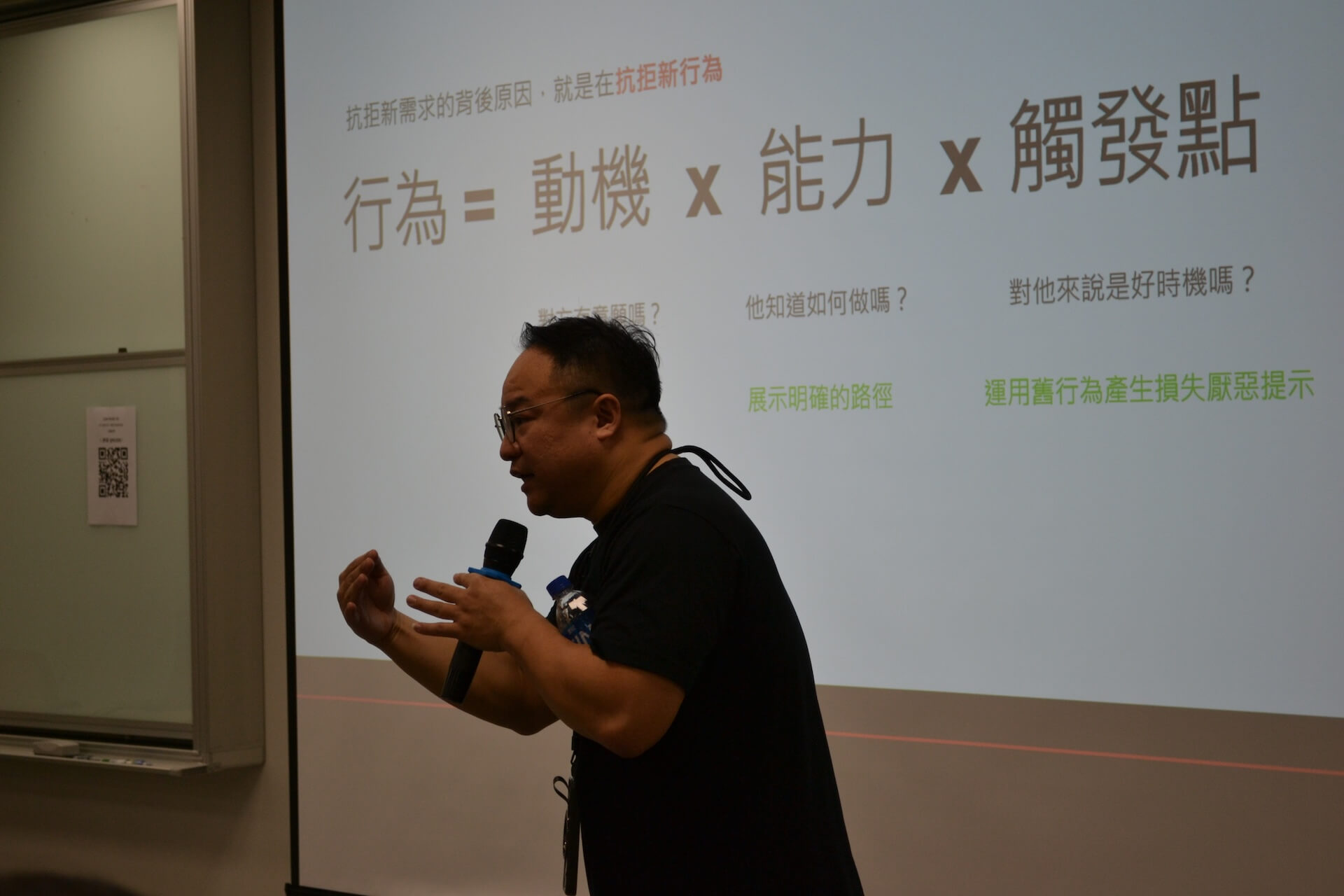
It's also important to identify different stakeholders (decision-makers, users, influencers) and what drives their behavior (motivation × ability × triggers). Understanding these factors helps tailor your communication approach. For effective communication: first acknowledge their direction to build trust, then present resources needed to achieve goals, and only then discuss details—avoiding position conflicts from the start.
The course concludes with an important reminder: human progress comes from shared stories and collaboration across different groups and cultures. Today, productivity is often limited not by technology or tools but by whether we truly understand each other. Requirements aren't just specifications—they represent people's desire for change. The challenge isn't finding solutions but truly understanding others' situations, expectations, and beliefs. This approach isn't just a professional skill but a way to make collaboration both kinder and more powerful. By understanding the gaps and desires between people, we can create greater value together.