Close

In an AI era defined by speed and precision, the challenge for companies and professionals is no longer simply “how to use the tools.” It’s how to bring those tools into the decision-making process—so AI becomes a reliable productivity partner, not a standalone experiment. As AI evolves from linear Q&A into agent-based models that can autonomously break down tasks, companies and professionals need to rethink their workflows to balance efficiency with risk.
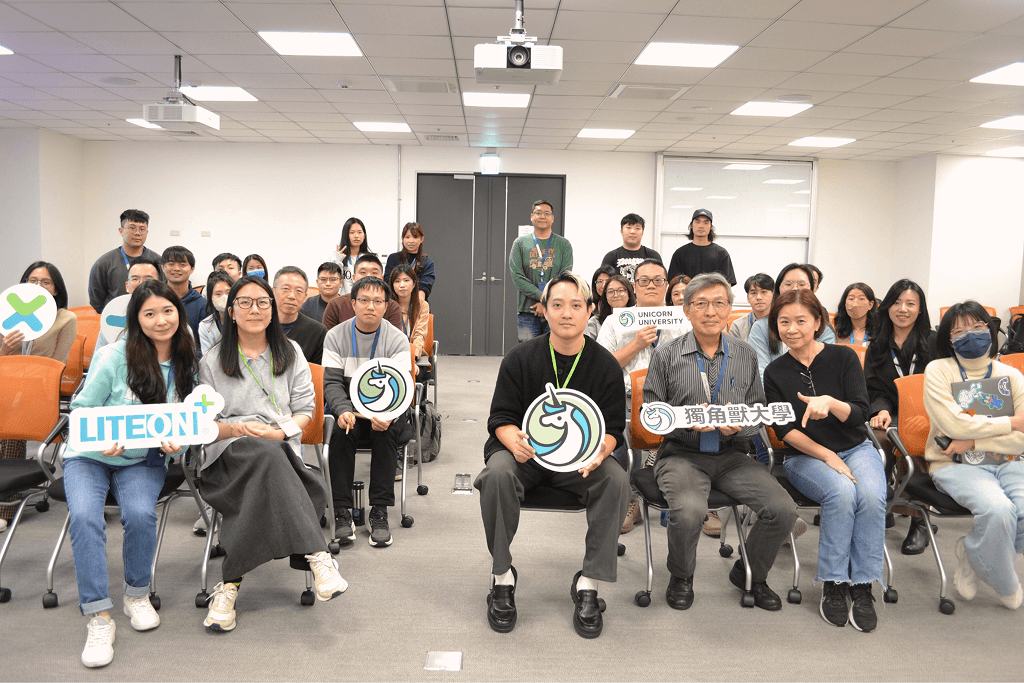
In this Unicorn University session, instructor Lodi—Senior Manager at cacaFly—led a deep dive on the theme “Riding the AI Tool Wave: From Process Optimization to Decision Automation.” The session unpacked AI’s trajectory toward 2026, clarified the technical logic behind recent capability shifts, and introduced practical approaches to human–AI collaboration and risk control—so participants can apply AI confidently in real-world contexts.
Many of us first encountered AI through a one-way, linear pattern—ask a question, receive an answer. That “Linear thinking” approach explains why earlier AI models struggled with certain logic problems. Lodi shared a classic example: when you ask an older model which number is larger—9.11 or 9.9—it may incorrectly answer 9.11, mistakenly comparing "11" as bigger than "9" after the decimal point.
As the technology has matured, AI is increasingly embracing an Agentic loop—a mode powered by Chain-of-Thought techniques, where the model doesn’t just produce an output, but can break down a task and reason through it step by step.
Lodi summarized a mature AI reasoning flow in four stages:
Input → Breakdown and reasoning → Integration and verification → Output
The practical implication is clear: AI can better simulate a human problem-solving path—understanding what’s being asked, processing it in steps, validating, and then delivering a higher-quality response.
However, this loop-based behavior brings real operational risks. Lodi highlighted two common pitfalls:
To mitigate these risks, Lodi stressed a basic “risk control” framework:
As AI becomes more capable of executing tasks, the human role doesn’t fade—it becomes more critical. Lodi reinforced the core idea of Human in the loop: in modern workflows, people must shift from “operators” to commanders and final approvers, keeping decisions aligned, accurate, and accountable.
Using the example of creating on-brand marketing copy, Lodi outlined an effective human–AI workflow:
In the hands-on exercise, participants compared two setups: one AI handling writing and reviewing end-to-end versus two AIs splitting the task.
The split multi-agent approach delivered deeper insights and more actionable feedback than a single model trying to do it all. The takeaway was practical:
Don't aim for one AI to handle everything—design workflows where specialized agents play their strengths.
If AI is to be a thinking partner in decision-making, choosing the right model is a crucial part of the job. Lodi shared insights on current model strengths:
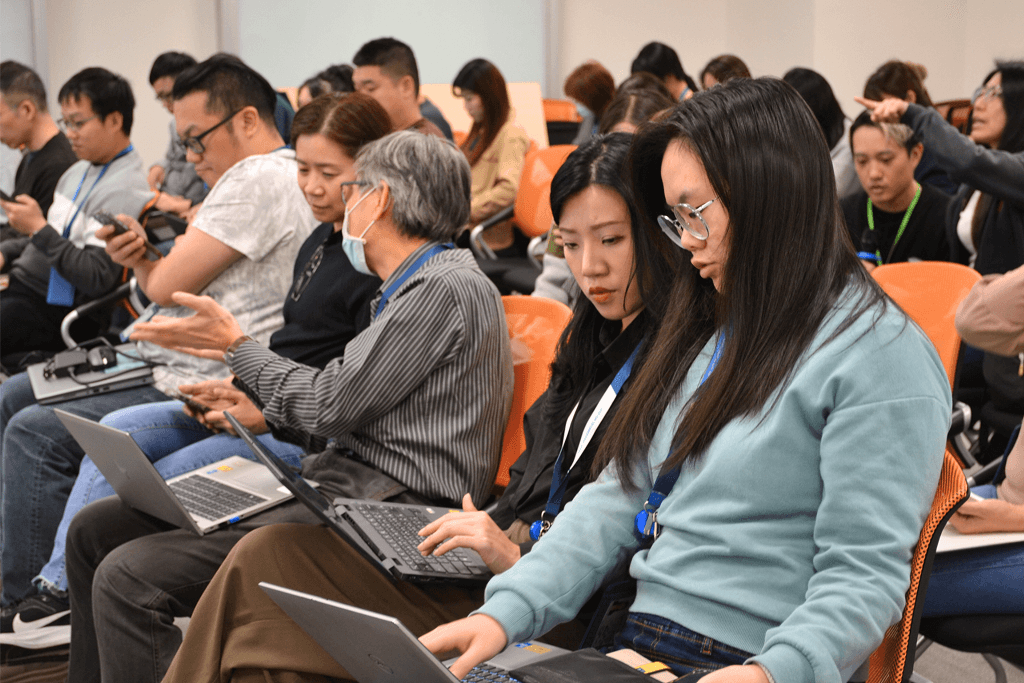
The class also included practice with an internal company AI tool, using Nano Banana Pro for product image compositing, making the point tangible: model selection itself is a quality lever.
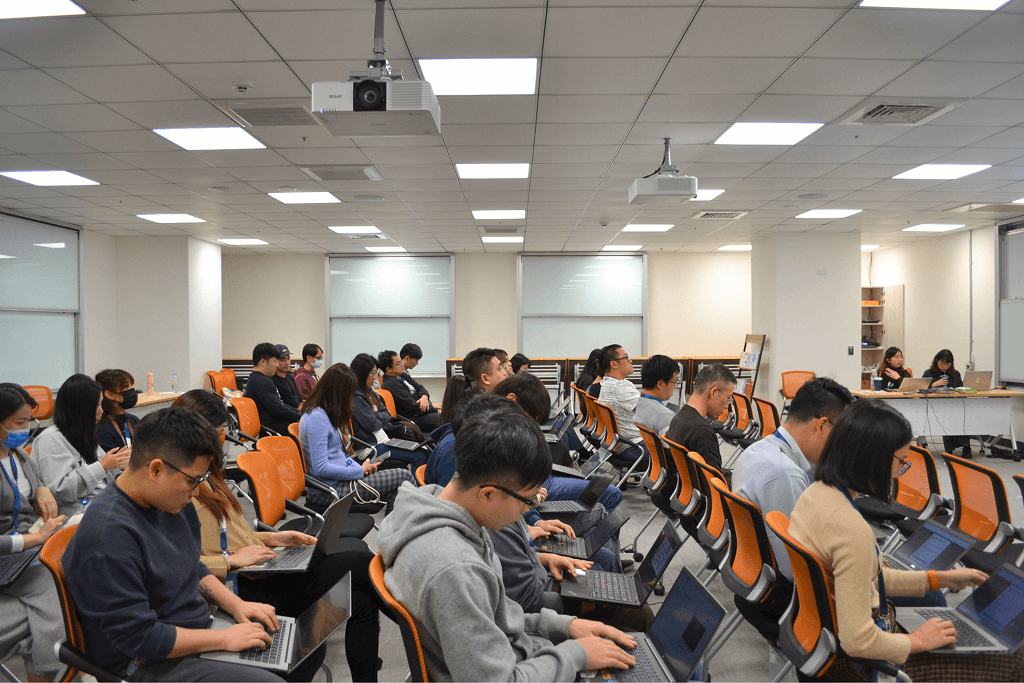
In this Unicorn University session, Lodi went beyond “how to use AI.” The deeper focus was on building an AI-ready mindset: understanding the problem before solving it, designing workflows intentionally, and establishing clear boundaries for risk.
AI is reshaping how work gets done, but the real value comes from turning these ideas into everyday actions: streamlined processes, tighter permissions, reliable outputs, and mature human–AI collaboration. By understanding how the Agentic loop operates, teams can turn tedious process optimization into real leverage—positioning AI as an enabler of better decisions, not just faster execution.
What comes next is continuous iteration: bring the insights into your daily workflows, validate them in context and keep iterating toward a more effective way of working in the AI era.